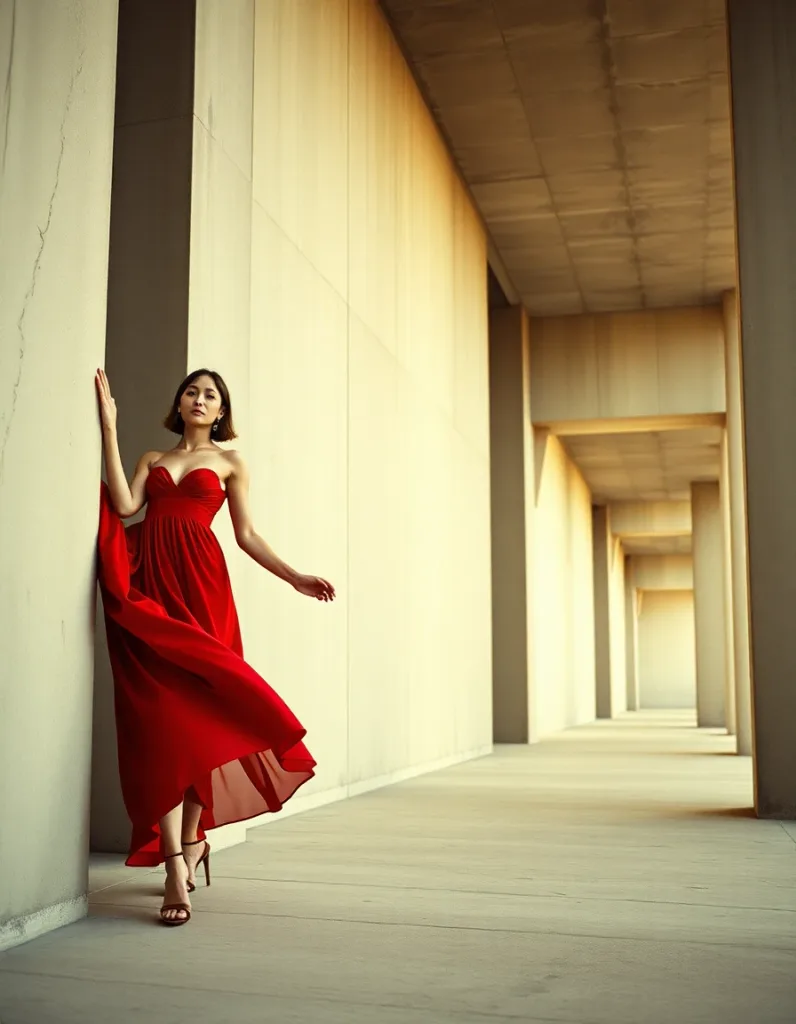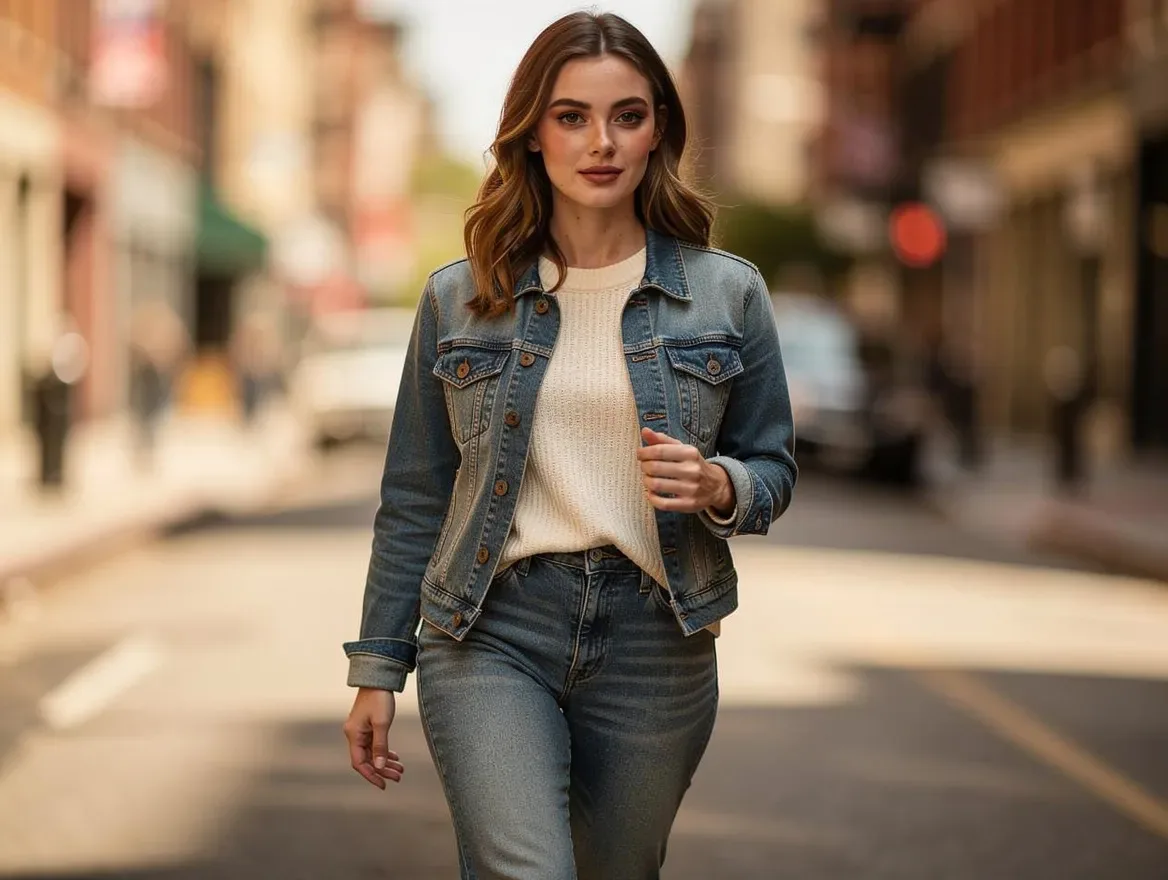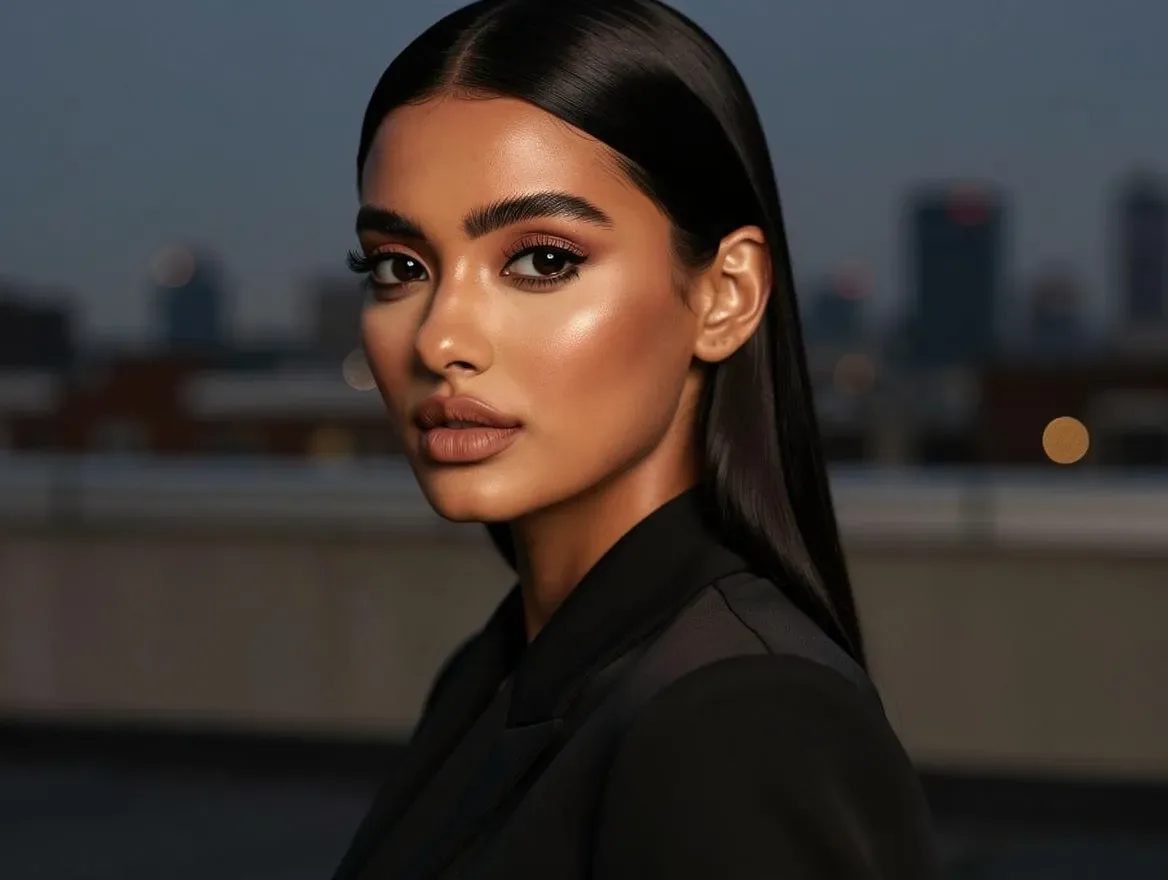
Pakistan's fashion market runs on a production calendar that would exhaust brands twice its size: summer lawn in volumes, festive formals, winter unstitched, year-round pret — each drop needing its catalog photographed, and each catalog carrying more detail per garment than almost any market on earth. Chikankari, zari, block prints, digital lawn prints with engineered borders: the product is the detail.
That combination — high shoot frequency, high detail density, and real budget pressure — is exactly the profile AI product photography serves best. It's also the profile where generic AI tools fail hardest. This guide is the Pakistan-specific picture: the economics, the fabric problem, and a workflow shaped around how lawn and unstitched actually sell.
The shoot-day math
As of July 2026, a full production day in Lahore or Karachi — studio rental, photographer, model fees, styling, steaming, and retouch — is commonly quoted anywhere from PKR 300,000 to 800,000, depending on the team, the model tier, and the number of looks. Treat those figures as ballpark; quotes vary widely. The structural problem isn't any single quote, it's the multiplication: a brand shipping several collections a year pays that bill again and again, and the coordination overhead — model availability, studio slots, weather for outdoor looks, reshoots when a sample arrives late — adds weeks to every launch.
For a two-person lawn label, that cost structure decides strategy: collections get smaller, catalogs reuse tired imagery, or the founder shoots on a phone and the product looks weaker online than it is in hand.
AI product photography inverts the math. The garment is photographed once — a flat-lay, which the workshop can shoot the day stitching finishes — and the on-model imagery is generated per image, priced in credits rather than crew days. The interactive calculator on the clothing-brands page lets you run your own catalog's numbers side by side.
The embroidery problem (or: why generic tools lose this market)
Every Pakistani brand that has experimented with AI imagery has hit the same wall: the tools flatten the craft. Chikankari's shadow work becomes texture mush. A lawn print's repeat drifts mid-garment. A zari border migrates or melts. And since the detail is precisely what the customer is paying for — often what distinguishes a PKR 4,000 suit from a PKR 12,000 one — an image that ruins it is worse than no image at all.
The technical difference to look for: whether the tool treats your garment photo as a hard reference that generation is conditioned on, or as loose inspiration. LensGo's Fashion Studio is built on the reference approach and pairs it with a review board — every image is inspected before use, and unfaithful results can be rejected or re-rolled. Provider and system failures refund automatically; subjective rejects retain their charge. The evaluation test worth running is simple: your most heavily worked piece, zoomed to 100%. The complete guide has the full evaluation checklist.
Unstitched needs its own playbook
Half of Pakistani fashion commerce is fabric sold flat — and unstitched catalogs face a unique gap: the customer buys yardage but imagines an outfit. The brands that show a stitched interpretation alongside the flat fabric consistently make the product easier to want.
Traditionally that means stitching a sample suit and booking a shoot for something you don't even sell stitched. With an AI workflow, the flat-lay of the three-piece — shirt, dupatta, trouser fabric — becomes an on-model visualization of one styled interpretation: dupatta draped, proportions right. Label it as a styling visualization ("shown stitched as…"), keep the fabric photography as the accurate product record, and you get inspiration and documentation in the same listing without misleading anyone.
The mechanics are the standard flat-lay to on-model conversion — the unstitched-specific care is dupatta handling, which deserves a real drape rather than an accessory afterthought. That's a styling-preset problem, covered further in modest fashion photography with AI.
One cast for the whole catalog
Pakistani fashion built its aesthetic on recognizable campaign faces. That instinct is right — recognition is brand equity — but booking that consistency across dozens of shoots a year is exactly the expensive part.
Saved model identities give a small label the same principle at catalog scale: create two or three Brand Models with the AI Fashion Model Generator and cast the same faces from summer lawn through winter unstitched. Vol. 2 launches with the same face that fronted Vol. 1 — a coherence customers read, without a single booking call.
Colorways: the lawn multiplier
Lawn's defining commercial fact is the color run — one design, several dyeways, every one needing identical photography so the listing's color swatches feel trustworthy. Shooting each colorway separately multiplies the day; recoloring in Photoshop breaks prints.
The AI route: photograph one colorway, accept your best on-model frame, and generate the remaining dyeways from it with the colorway generator — same framing, same light, print preserved, targeted to your actual dye swatches. The full workflow is in how to create colorways of clothing photos with AI.
A launch workflow shaped for a lawn drop
- As stitching finishes each design, the workshop shoots flat-lays — straight down, daylight, plain background, plus a close-up of the worked areas.
- Batch-convert the drop with your saved Brand Models: front PDP frame, detail crop, one lifestyle frame per design.
- Review everything against the physical samples — embroidery, print repeat, proportions. Reject freely; first re-rolls are free.
- Generate the color runs from accepted frames.
- Export the set and launch — catalog, social, and WhatsApp business imagery from one pass.
The practical difference isn't only cost. It's that photography stops being the launch bottleneck: the catalog can be built while samples are still arriving, and a reshoot is a re-roll instead of a re-booking.
Fitting the channels Pakistani brands actually sell on
The same accepted set feeds every storefront, but each channel has its own habits worth respecting:
- Your own store (Shopify/WooCommerce): lead with the clean studio PDP frame, back it with the detail crop and one lifestyle frame. Consistent framing across the grid is what makes a small catalog feel like a big one.
- Daraz: marketplace grids are unforgiving of visual noise — the studio frame with the garment large in frame wins the thumbnail war. Fill every image slot; sparse listings read as informal sellers.
- Instagram: the lifestyle frames are the feed; the studio frames are the shop tab. A drop generated with one Brand Model gives the grid the campaign coherence that usually takes an agency.
- WhatsApp Business catalogs: still where an enormous share of Pakistani fashion actually closes. Compressed previews punish cluttered images — the clean on-model frame with a plain background survives compression best, and a consistent catalog builds exactly the trust that closes a DM sale.
Timing matters as much as placement: lawn season and the festive windows around Eid reward brands whose catalogs are ready before the rush. When photography is generated rather than scheduled, the catalog can be finished the week the samples are — which is precisely when your customer starts scrolling.
Honest limits
Keep expectations calibrated: fit documentation on real bodies, fabric hand-feel in motion, and press imagery still argue for real photography — and AI imagery should be disclosed rather than discovered. The winning pattern for Pakistani brands mirrors the global one: AI carries the catalog volume and the per-drop grind; the annual photography budget concentrates into one signature campaign that sets the season's mood.
The fastest way to know if the fidelity is real is to test it on your own most difficult piece. LensGo's free sample shoot — one garment, three on-model images, signup required, once per account — exists for exactly that test. Upload the most heavily worked suit in your current drop and zoom in.