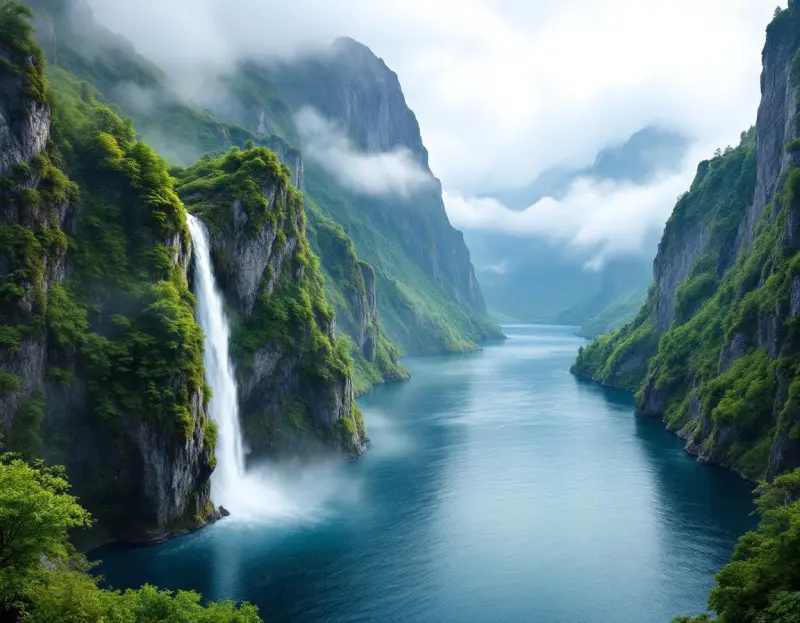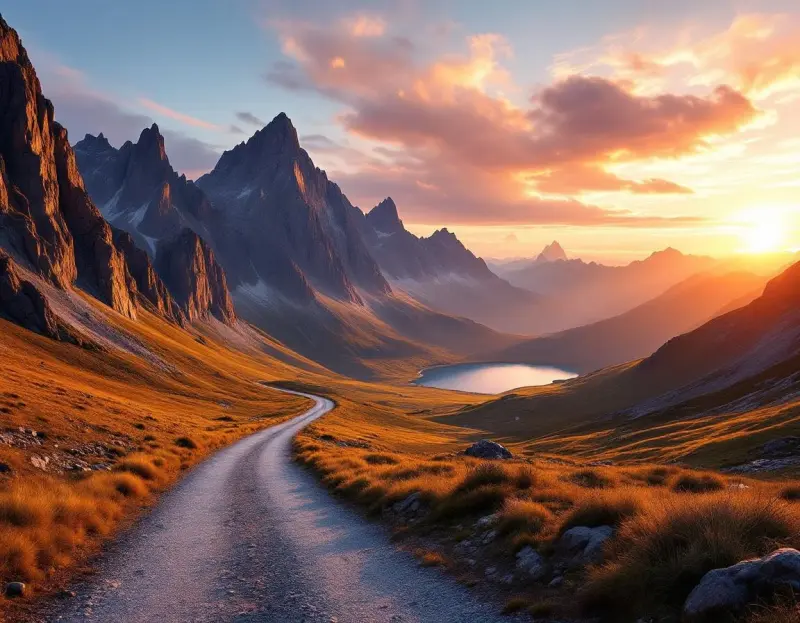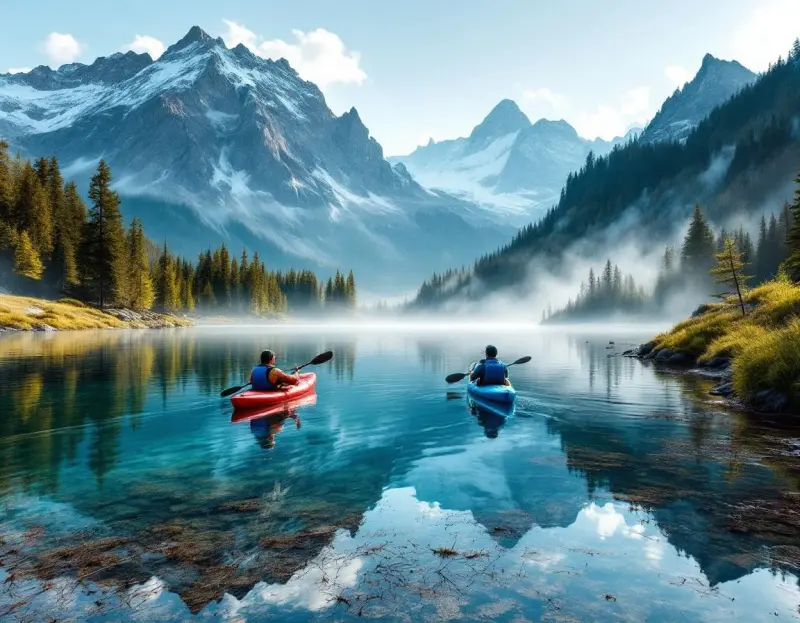
The travel content landscape has shifted dramatically. Two years ago, creators who wanted professional-quality visual content had two options: invest thousands in camera equipment and travel to every location, or settle for stock photos that looked generic and interchangeable. AI image generation has created a third path — one that combines the visual quality of professional photography with the speed and scalability that modern content demands.
But having access to great visuals is only half the equation. The creators who are actually growing their audiences and landing brand partnerships in 2026 aren't just generating pretty pictures. They're building deliberate content strategies that use AI imagery as one component of a larger storytelling machine. This guide breaks down exactly how to build that machine.
Understanding the Content Ecosystem
Before generating a single image, you need to understand where your content lives and how different platforms reward different types of content. Instagram favors visually striking imagery with short, punchy captions. Pinterest rewards vertical images with text overlays that serve as mini-tutorials.
Blog content needs hero images that complement long-form writing, while YouTube thumbnails need to be bold and readable at tiny sizes. Each platform has its own visual language, and the most effective strategy creates platform-native content rather than posting the same image everywhere.
The power of AI generation is that it lets you create platform-specific variations from a single creative concept. One destination — say, the Amalfi Coast — can become a cinematic widescreen hero for your blog, a vertical pin with "10 Hidden Gems in Positano" overlaid, a square Instagram carousel showing different angles, and a bold YouTube thumbnail with dramatic contrast. Same creative direction, four completely different executions.
Building Your Content Calendar
Consistency matters more than volume. The creators who post three times per week for a year outperform those who post daily for three months and then burn out. AI generation makes consistency dramatically easier because it removes the production bottleneck — you're no longer waiting for the right weather, the right location, or the right equipment.
A sustainable weekly cadence might look like this: two destination features that showcase a specific location with 3–5 generated images each, one educational post that teaches your audience something about travel photography or trip planning, and one behind-the-scenes or personal post that keeps your brand feeling human and authentic. The AI-generated content handles the visually demanding destination features, while the educational and personal content can rely on simpler visuals or even text-based formats.
The key is planning your content themes in advance. Rather than generating images randomly and hoping they form a coherent feed, start with the story you want to tell that week and then generate imagery to support it. If your theme is "Mediterranean summer," generate a cohesive set of images across multiple Mediterranean destinations, maintaining consistent lighting and mood so your feed looks curated rather than chaotic.
Prompt Architecture for Brand Consistency
One of the biggest mistakes new creators make is treating every image generation as a blank slate. Without consistency, your feed looks like a random collection of AI art rather than a professional travel brand. The solution is what we call prompt architecture — a set of reusable prompt components that define your brand's visual identity.
Start by defining your signature elements. Maybe your brand is known for warm, golden-hour lighting, or perhaps you favor the cool blues and greens of tropical destinations. Maybe you lean toward aerial perspectives, or you prefer intimate street-level compositions. Whatever your aesthetic, encode it into a base prompt template that you append to every generation.
For example, a creator focused on luxury travel might use the base template: "[scene description], premium resort aesthetic, soft natural lighting, warm color palette, editorial lifestyle photography, 8K quality." Every image they generate includes these consistent style markers, which means their feed develops a recognizable visual identity even though each individual image shows a different destination.
Content Pillars That Drive Growth
The most successful travel content creators organize their output around three to four content pillars — recurring themes that their audience comes to expect and look forward to. Each pillar serves a different purpose in the growth strategy.
Destination showcases are the visual anchors of your brand. These are the posts that stop the scroll, earn saves and shares, and attract new followers. AI generation shines here because you can showcase destinations you haven't physically visited, dramatically expanding your creative range. A creator based in London can publish stunning content about Patagonia, Kyoto, and the Maldives in the same week — something that would be logistically impossible with traditional photography.
Educational content builds authority and trust. Posts that teach your audience how to plan trips, find hidden gems, or create their own content tend to have longer shelf lives than pure visual content. They're shared more often, saved for later reference, and they position you as an expert rather than just an aesthete. Pair these posts with AI-generated illustrations or step-by-step visual guides.
Personal storytelling is what transforms followers into a community. Share your actual travel experiences, your creative process, your recommendations based on places you've genuinely visited. This human layer is what prevents your brand from feeling like an AI content factory and gives your audience a reason to engage with you specifically rather than any other travel account.
Measuring What Matters
Vanity metrics like follower count and likes are satisfying but misleading. The metrics that actually predict long-term success in travel content are saves, shares, profile visits, and — most importantly — click-through rates to your blog or booking links.
AI-generated content tends to perform exceptionally well on saves and shares because the visual quality is consistently high. But engagement (comments, DMs, story replies) is where you'll notice a difference between creators who just post pretty images and those who combine them with genuine storytelling. Monitor your engagement rate per post type, and you'll quickly learn which combination of visual content and caption style resonates most with your specific audience.
Track your content performance in monthly cycles rather than obsessing over individual posts. Some content will underperform and some will surprise you — what matters is the overall trajectory. If your average reach and engagement are trending upward month over month, your strategy is working even if individual posts occasionally miss the mark.
Conclusion
AI-generated imagery is a tool, not a strategy. The creators who treat it as a superpower for their existing content vision — rather than a replacement for creative thinking — are the ones building real, sustainable travel brands. Start with a clear content strategy, develop your visual identity through consistent prompt architecture, and always pair your generated imagery with authentic storytelling. The technology handles the production; the strategy and authenticity are still entirely up to you.
Ready to build your content strategy? Start creating with Lensgo.ai — your first 3 images are free every day.