The Future of AI Travel Content: What's Coming in 2026
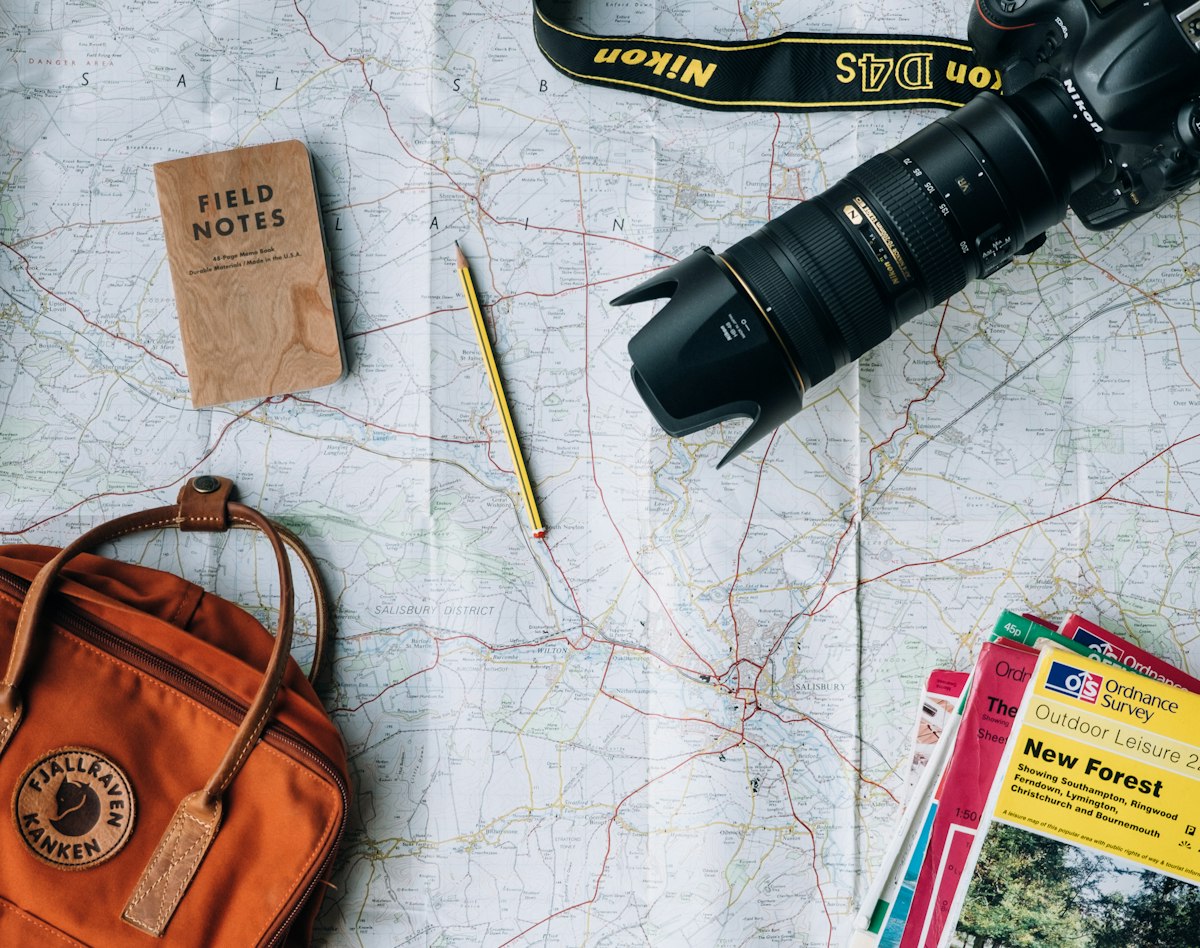
Travel content creation is undergoing its most significant transformation since the smartphone put a camera in everyone's pocket. AI is not just adding tools to the creator's arsenal — it's fundamentally changing what's possible, who can create it, and how audiences engage with it. For travel creators, influencers, and tourism brands, understanding this shift is increasingly the difference between a growing channel and a stagnant one.
The Current State: What Creators Use AI for Today
AI travel content creation has moved well beyond novelty. In 2026, the practical applications that serious creators use daily:
Destination visualization: Generate photorealistic images of destinations for planning content, bucket list posts, and inspiration feeds — without physically traveling to every location featured. A travel account can cover global destinations authentically and beautifully regardless of physical location.
Travel selfie generation: Place yourself in any destination for personalized content. A couple can create professional-quality travel photos from destinations on their future trip list, building anticipation with their audience while planning the actual journey.
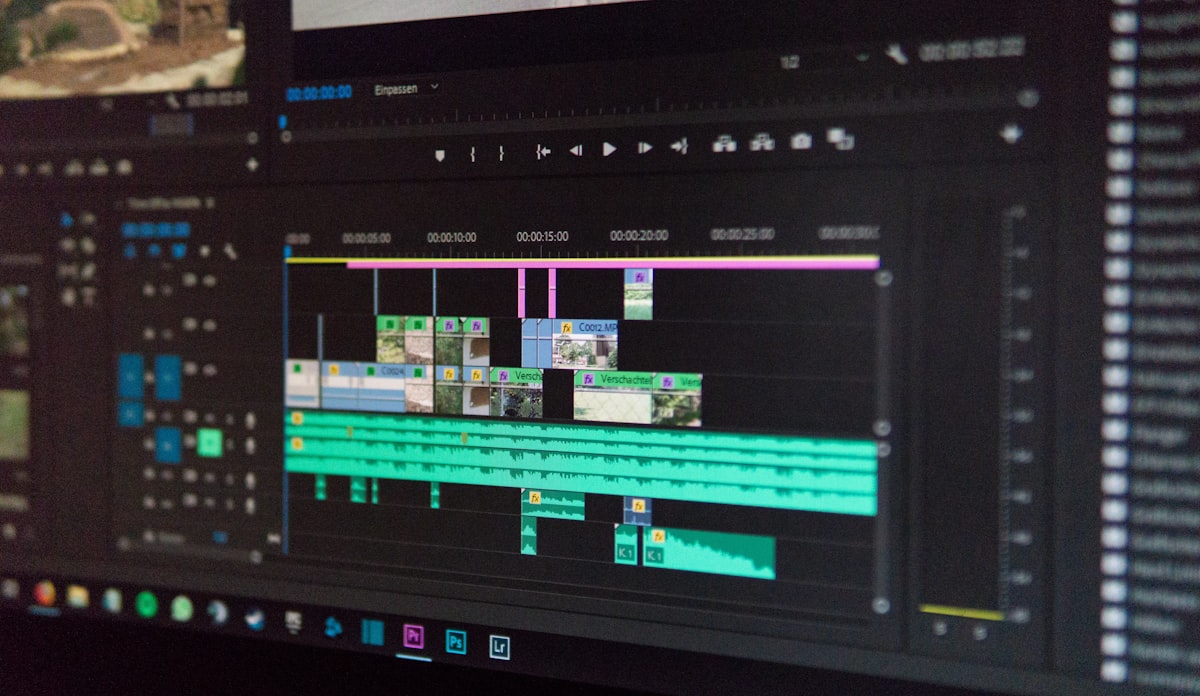
Content batching: Generate 30 days of travel content in a single session. AI allows creators to work ahead — generating, scheduling, and automating content distribution rather than scrambling to produce daily content from behind a camera.
Photo enhancement: Salvage imperfect travel shots — enhance lighting, remove distractions, improve composition, and bring low-resolution travel photos up to professional quality.
Video animation: Transform travel photos into cinematic video content for Reels and TikTok without video footage.
Trends Accelerating Through 2026
Consistent Character Travel Narratives
The breakthrough capability of 2026 is consistent characters across multiple images. It's now possible to generate the same person across dozens of travel images with reliable facial consistency — same face, same companion, same "travel persona."
This unlocks genuine travel storytelling: following a consistent character through a journey, episode by episode, destination by destination. What was impossible — a convincing visual travel narrative featuring the same people across multiple AI-generated images — is now achievable.
Personalized Destination Marketing
Tourism boards and travel brands are beginning to deploy AI that personalizes destination imagery for each viewer. Rather than showing everyone the same hero image of a beach resort, the AI shows a family traveler families on the beach, shows a solo adventurer hiking trails, and shows a luxury traveler a private cabana. This personalization technology is entering the mainstream rapidly.
Real-Time Generation for Travel Planning
Generation speeds are approaching real-time. The near-future scenario: a traveler describes their dream vacation and immediately sees photorealistic previews of each destination, their own face in the context, and different accommodation styles — all generated in under a second per image. This transforms travel planning from text research into visual exploration.
What This Means for Travel Influencers
Reach expands, budget shrinks. The cost of creating travel content that once required expensive trips and professional equipment is approaching zero. Creators who previously posted from one destination can now cover the world. The audiences that follow aspirational travel content don't know or care whether the creator physically visited — they respond to quality visuals and authentic storytelling.
Differentiation shifts to voice and perspective. When any creator can generate beautiful images of Santorini, the visual quality becomes table stakes. What differentiates channels is perspective, personality, and the genuine travel knowledge and insight that AI can't generate. The most successful travel creators will lean into authentic expertise while using AI for visual production.
Transparency builds trust. Audiences are becoming AI-literate. Creators who openly discuss their AI workflow — showing how they use AI tools as part of their creative process — build more trust than those who obscure it. The conversation about AI in travel content has shifted from "is this real?" to "how do they do this so well?"
What This Means for Travel Brands and Tourism Boards
Marketing budgets are being reallocated from production to strategy. Destination marketing organizations that traditionally spent large budgets on photo and video shoots can now generate equivalent content libraries with AI at dramatically lower cost — and update them continuously with seasonal, campaign-specific, and persona-targeted variants.
Authenticity remains essential. AI-generated destination imagery should be accurate and representative. Misleading travelers with aspirational AI content that doesn't match reality damages trust and brands. The ethical application: use AI to efficiently create accurate, beautiful representations of real destinations.
The Authentic vs. AI Content Debate
The framing of "authentic vs. AI" is giving way to "how do you combine both?" The most effective travel content strategies in 2026 use AI for:
- High-volume content production (social media feeds, inspiration galleries)
- Destination coverage beyond physical reach
- Personalization and campaign variants
And use authentic photography for:
- Experiences that require presence (food, culture, unexpected moments)
- Building genuine connection with the destination and audience
- Content where the "I was there" authenticity is the value
The creators and brands gaining audience fastest are those who've mastered this hybrid approach.
Getting Started as a Creator
If you're not already integrating AI into your travel content workflow:
Start creating AI travel content — free daily credits, no equipment required.