AI Agent vs Prompt Engineering: You Shouldn't Need a Prompt Formula
For a few years, "learn prompt engineering" was real advice. Magic words, style incantations, comma-separated formula prompts passed around like recipes. It worked — because early tools put the full burden of translation on the human. You had an idea in plain language; the model needed something else; prompt engineering was the bridge.
Agents remove the bridge by moving the translation into the AI itself. It's the same evolution chat assistants went through: nobody writes elaborate role-play preambles to get good answers from Claude or ChatGPT anymore — you just ask, and the system does the orchestration internally. Visual creation is now getting the same upgrade.
Why prompt formulas were always a workaround
A copied prompt formula encodes three kinds of knowledge:
- Model dialect — which phrases this particular model responds to
- Art direction — style, lighting, lens, composition vocabulary
- Settings ritual — aspect ratios, quality tags, negative prompts
All three are machine-shaped problems. The dialect changes with every model release, the art-direction vocabulary is a lookup table, and the settings are constraints a system should validate — not things a human should memorize. Formulas also travel badly: the prompt that produced someone's stunning portrait produces something different on another model, at another ratio, with another subject.

What the agent does instead
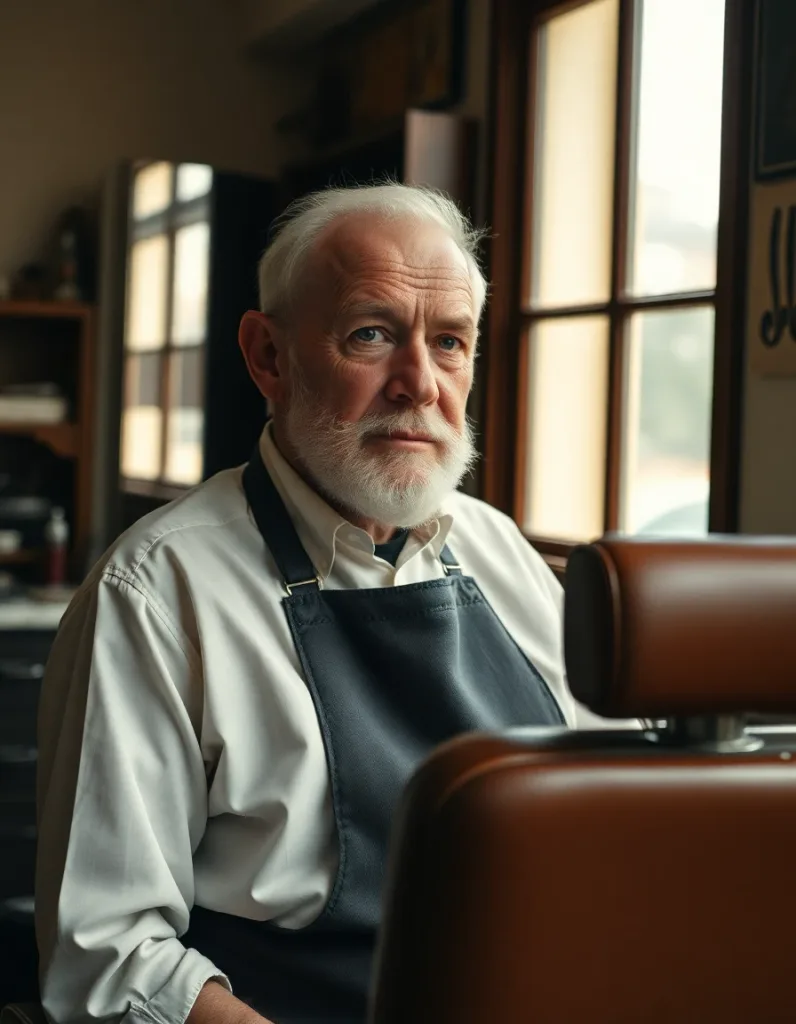
When you tell an agent "moody barbershop portrait for my shop's Instagram," a dedicated prompt-crafting pass expands it into the structured brief a professional would write: subject, environment, style reference, light quality, camera character, composition, mood, palette. Every field, every step, every time — and shaped for the kind of step it is, with motion and camera work described for video briefs.
Pair that with routing and the formula problem dissolves: the agent picks the right model for the step and hands it a professionally structured brief. When the catalog changes next month, the agent's routing changes with it. Your copied formula doesn't.
"But I like writing prompts"
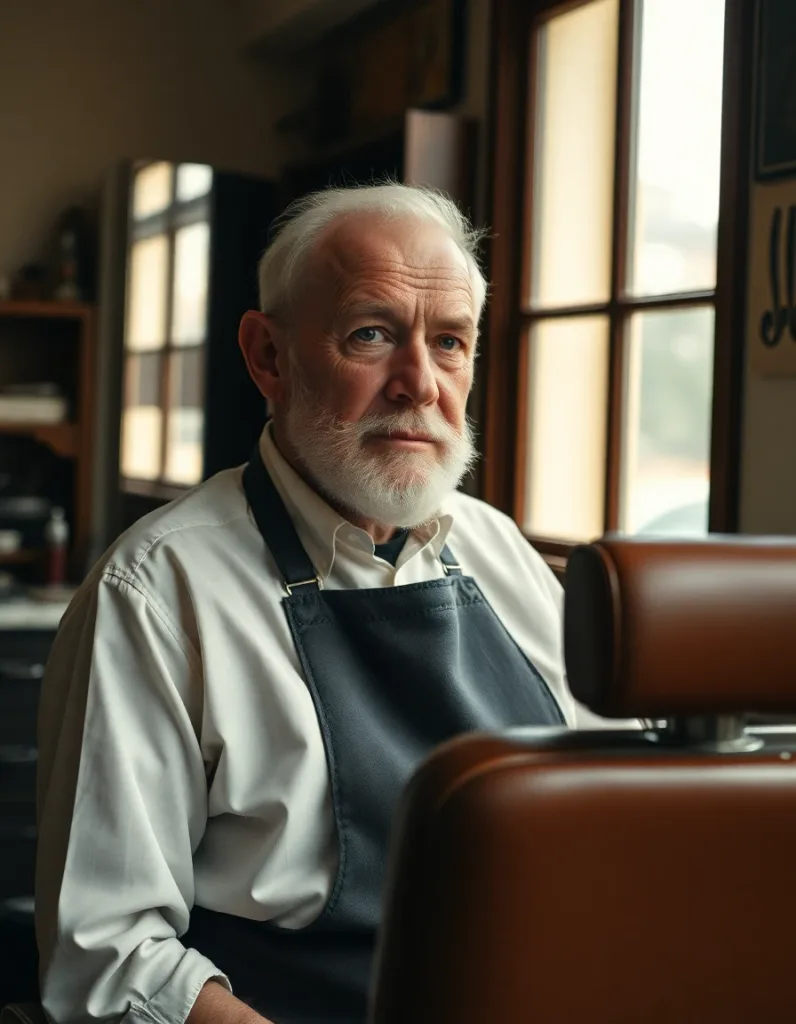
Then keep writing them — an agent doesn't take the keyboard away. Describe as much or as little as you want; specific direction ("shot on 35mm, hard rim light, teal-and-rust palette") flows straight into the brief. The difference is you're no longer required to. Expertise becomes optional seasoning instead of the price of admission.
The real shift is who owns the boring parts. Settings, dialects, negative prompts, ratio juggling — that's the agent's job now. Intent, taste, and judgment — that was never automatable, and it's all that's left for you to bring.
Where to feel the difference
Try the same request twice: once in a classic prompt box, once with Iris on LensGo. In the prompt box, you'll write, generate, rewrite, regenerate. With the agent, you'll get a plan with a crafted brief per step, confirm once, and then adjust in plain language — "warmer", "wider", "same but at night". The second workflow isn't just faster; it's a different relationship with the tool. Less operator, more director.