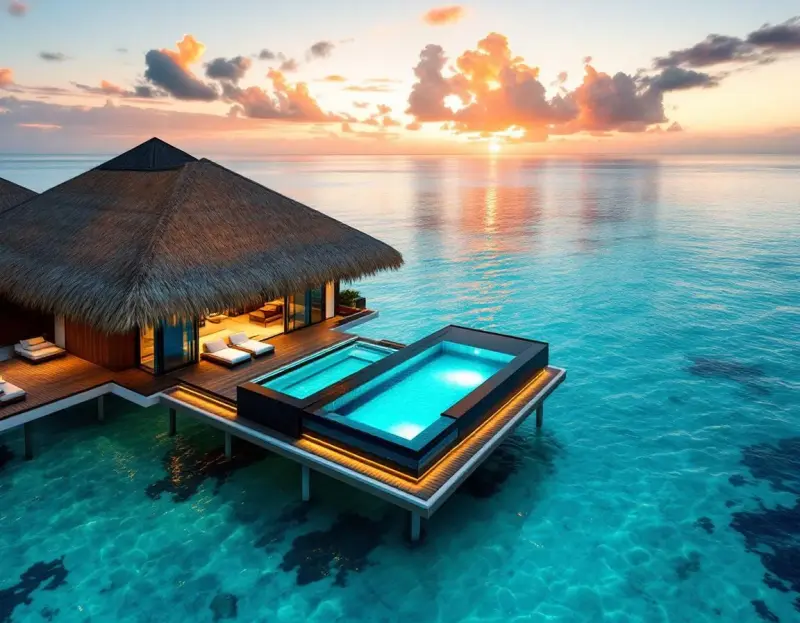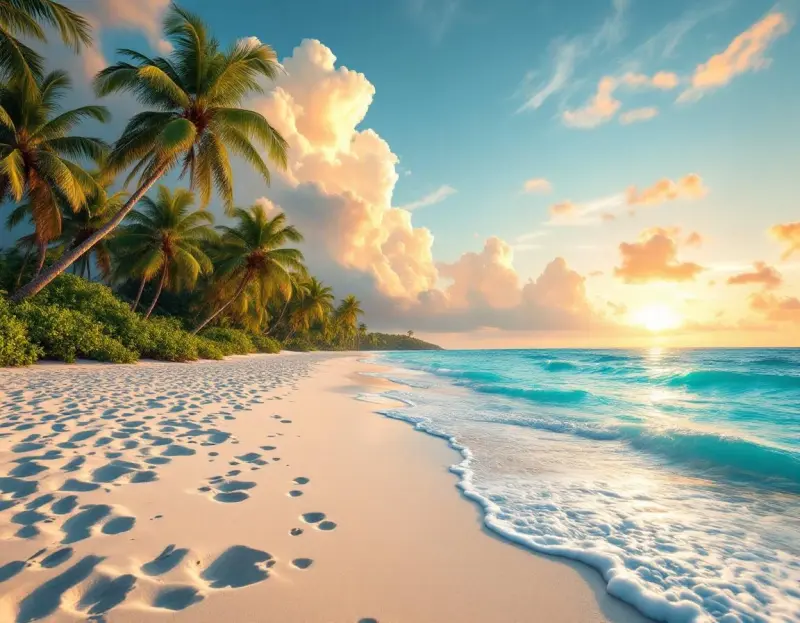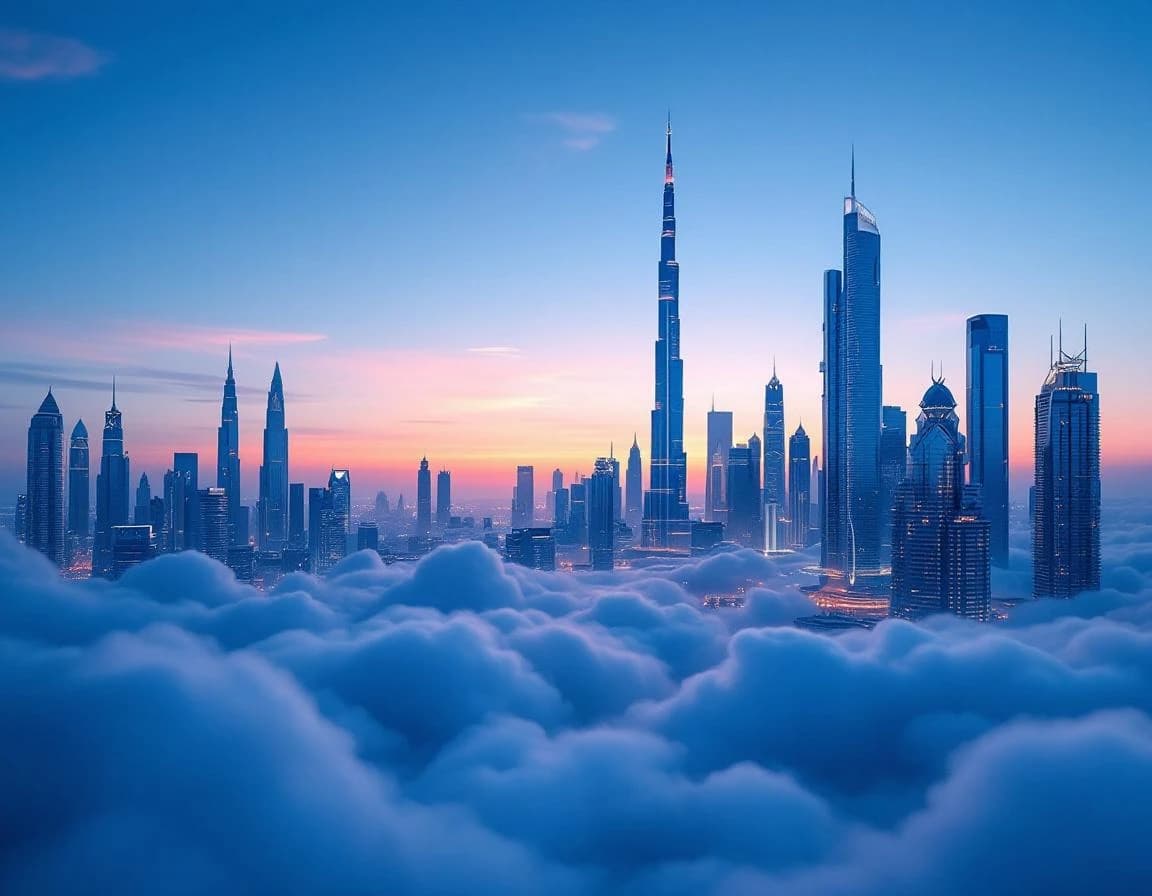
Travel agencies face a unique marketing challenge. You're selling experiences that are inherently visual — paradise beaches, luxury suites, adventure tours — but producing the professional imagery needed to sell those experiences has traditionally been expensive, time-consuming, and logistically complex. A single photo shoot at a partner resort might cost thousands and deliver images that only represent one season, one weather condition, and one styling choice.
AI image generation is fundamentally changing this equation. Agencies that adopt it strategically are producing more content, more quickly, with greater visual variety — and they're seeing measurable improvements in engagement, click-through rates, and ultimately bookings.
The Agency Content Problem
Most travel agencies rely on supplier-provided images for their marketing — photos provided by hotels, tour operators, and destination marketing organizations. The problem is obvious to anyone who's scrolled through a travel agency's website: every agency marketing the same resort uses the same photos. There's zero visual differentiation, which means the agency's brand identity is determined by whoever designed their website template, not by their actual expertise or personality.
Professional photography solves the differentiation problem but creates a cost problem. Sending a photographer to every destination in your portfolio is prohibitively expensive, especially for agencies that sell hundreds of properties across dozens of countries. And even if you could afford it, the logistics of coordinating shoots at hundreds of locations would consume your entire marketing budget and calendar.
AI generation offers a third path: unique, professionally styled visual content at a fraction of the cost, available on demand, for every property and destination in your portfolio. The result is visual marketing that's differentiated from competitors, consistent with your brand identity, and economically sustainable.
Building Your Destination Visual Library
The most impactful first step is building a comprehensive visual library for your key destinations. For each major destination you sell, generate a set of images that covers different visual needs: a hero image for the website landing page, lifestyle images for social media, seasonal variations for email campaigns, and atmospheric shots for blog content.
The critical principle is brand consistency. Before generating anything, define your agency's visual style in a prompt template. A luxury agency might use: "[Scene description], premium editorial aesthetic, soft warm lighting, elegant and refined atmosphere, luxury travel lifestyle." An adventure agency might use: "[Scene description], dramatic landscape photography, vivid natural colors, adventurous spirit, National Geographic inspired." This template ensures that every image across every destination feels like it belongs to your brand.
For each destination, generate images across multiple perspectives and times of day. A comprehensive Santorini set, for example, might include an aerial sunset view for the website hero, a street-level golden hour scene for Instagram, a blue-hour panorama for email headers, and intimate detail shots (wine glass on a terrace, bougainvillea against white walls) for blog content and carousel posts.
Campaign-Specific Content
AI generation excels at producing campaign-specific imagery on tight timelines. When you're running a "Summer in Greece" promotion, you don't need to wait for a photo shoot — you can generate a cohesive set of summer-themed Greek destination images in an afternoon. When your flash sale on Caribbean resorts launches next Tuesday, you can produce every visual asset over the weekend.
This responsiveness transforms your marketing capability. Seasonal campaigns, holiday promotions, last-minute deals, and event-based marketing all become visually rich rather than visually compromised. Instead of repurposing the same generic beach photo for every summer campaign, each campaign gets bespoke imagery that matches its specific theme, destination focus, and emotional tone.
Email Marketing That Converts
Email remains one of the highest-converting marketing channels for travel agencies, and visual quality is directly correlated with click-through rates. Generic stock photos in email headers produce generic results. Stunning, brand-consistent AI-generated imagery produces dramatically better engagement.
The most effective approach is generating email-specific imagery for each campaign. This means images composed for the horizontal format of email headers, with space for text overlays and a focal point that works at the small sizes many email clients display. Generate several variations for A/B testing — different lighting, different compositions, different moods — and let the performance data guide your creative direction.
Personalized email campaigns benefit even more from AI generation. Rather than sending the same beach photo to every subscriber, segment your audience and generate destination-specific imagery that matches each segment's preferences.
Adventure travelers get dramatic mountain imagery. Luxury seekers get pristine resort scenes. Family travelers get warm, inviting beach images with space for activities. This visual personalization, combined with personalized copy, can dramatically improve conversion rates.
Social Media for Travel Agencies
Many travel agencies struggle with social media because they lack the volume of unique, high-quality visual content needed to maintain an engaging presence. Posting the same supplier-provided photos that every other agency uses doesn't build a following — it blends into the noise.
AI generation solves the volume problem entirely. A social media manager can generate a week's worth of unique, on-brand destination content in a single morning session. This means your agency's Instagram feed can showcase a different destination every day, your Facebook page can feature seasonal content that's always current, and your Pinterest boards can grow rapidly with fresh, pin-worthy travel imagery.
The key to social success for agencies is combining AI-generated destination imagery with genuine value: specific travel tips, insider knowledge, seasonal recommendations, and honest assessments of different options. The beautiful imagery stops the scroll; the valuable information converts followers into inquiries.
Measuring ROI
Travel agencies can measure the ROI of AI-generated content across several dimensions. Track click-through rates on website listings with AI imagery versus supplier photos. Compare email open and click rates between campaigns with generic versus custom AI-generated headers. Monitor social media engagement rates as you increase AI-generated content volume. And most importantly, track the inquiry-to-booking pipeline to see whether improved visual marketing translates into revenue.
Agencies that adopt AI imagery strategically can see improvements across these metrics — your own tracking will show what works for your audience. The compounding effect matters: better imagery drives more engagement, which builds a larger audience, which generates more inquiries, which produces more revenue to reinvest in marketing.
Disclosure and Accuracy
Using AI imagery in travel marketing comes with responsibilities. Represent destinations accurately — AI imagery should show what a place actually looks like, not an idealized version that will disappoint travelers. Never present AI-generated images as photos of specific properties, rooms, or excursions; use real, verified photos for anything a customer is directly buying. Disclose AI-generated imagery where it could be mistaken for a photograph, and check the image policies of any booking platform before uploading AI content to listings.