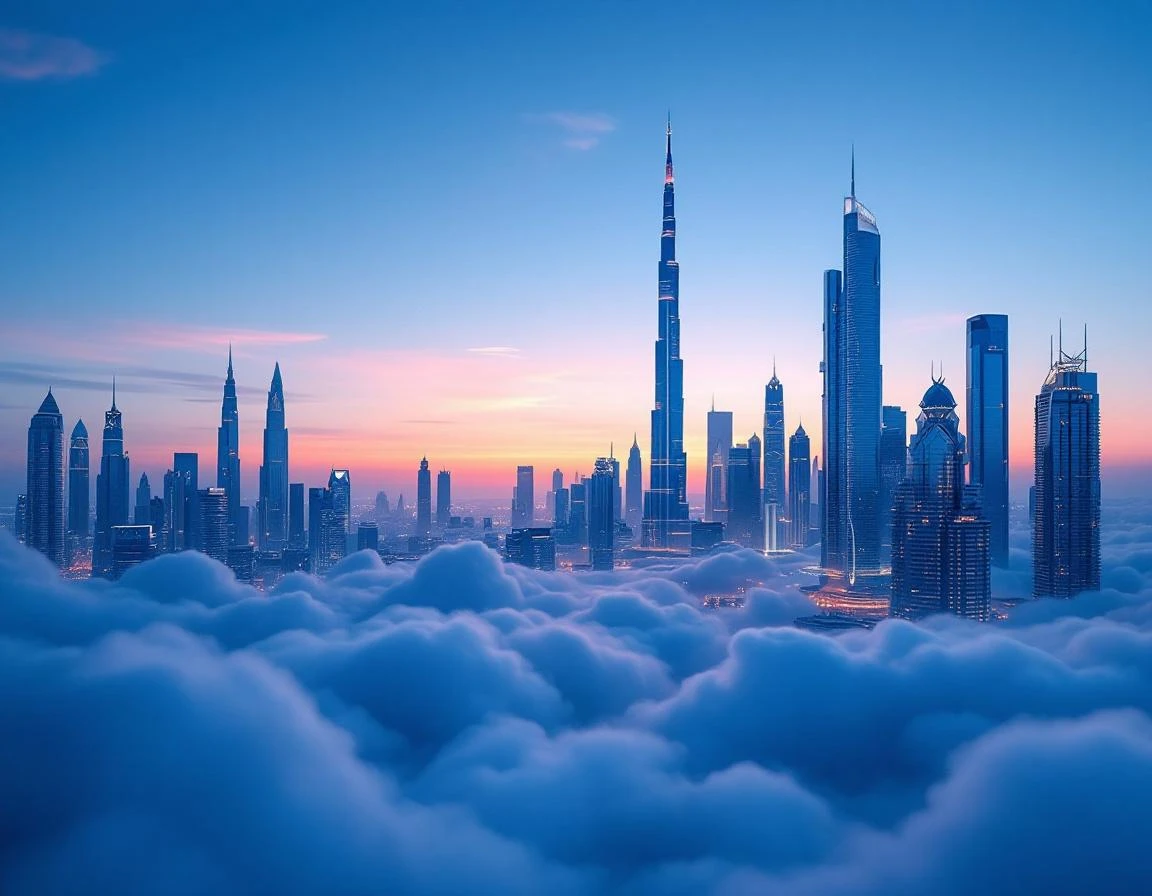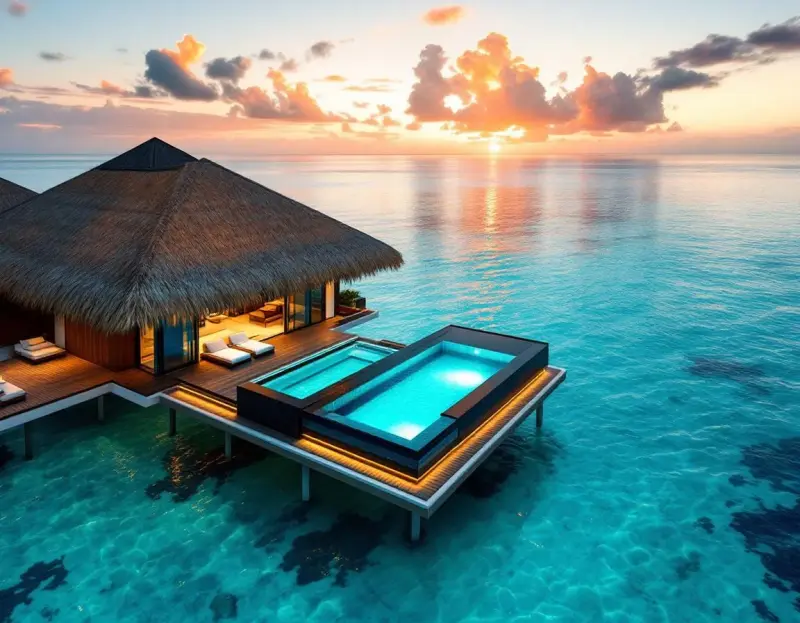
The hospitality industry has always been image-driven. A single photograph of a sunlit suite or a perfectly composed pool shot can be the difference between a booking and a bounce. But professional hotel photography is expensive, weather-dependent, and quickly outdated — a property that renovates its lobby needs an entirely new photo shoot, and seasonal marketing campaigns require imagery that matches the time of year. AI-generated imagery is changing the economics of hotel marketing, and the results are remarkable.
The Problem with Traditional Hotel Photography
Every hotel marketer knows the pain of a professional photo shoot. You hire a photographer for thousands of dollars, coordinate with housekeeping to prepare each room to magazine standards, pray for good weather on shoot day, and then wait weeks for edited deliverables. The final images might be stunning, but they represent a single moment in time — one season, one lighting condition, one styling choice.
When that winter campaign needs snowcapped mountain views but your shoot happened in August, you're stuck with stock photos that don't show your actual property. When your website needs a sunset pool shot but it rained during the entire photography window, you compromise. These compromises accumulate, and guests arrive expecting the curated vision they saw online, only to find that reality doesn't match the marketing — not because the property is poor, but because the photos couldn't capture it at its best.
Where AI Imagery Fits In
AI-generated hotel imagery doesn't replace real property photos — it augments them. The most effective approach uses authentic photography for room interiors, amenities, and anything guests will directly compare to their experience upon arrival. AI imagery handles everything that's aspirational or atmospheric: destination beauty shots, lifestyle scenes that show the feeling of staying at the property, seasonal marketing variations, and social media content that keeps the feed fresh between professional shoots.
A boutique hotel in Santorini might use real photos of its rooms and restaurant, but use AI to generate a stunning aerial view of the caldera at sunset, a dreamy scene of a couple watching the sunrise from a terrace, or a winter twilight version of the property for off-season marketing. The result is a visual library that's far richer and more versatile than any single photo shoot could produce, at a fraction of the cost.
Seasonal and Campaign Flexibility
This is where AI generation truly shines for hospitality. A luxury resort can generate summer-specific imagery in January for advance booking campaigns, create holiday-themed content without waiting for December, and produce regional marketing variations — warm-toned imagery for European markets, vibrant colors for Asian markets — from the same base concept.
Consider a mountain lodge that wants to promote four distinct seasons. Traditionally, that requires four separate photo shoots across an entire year, plus the logistical challenge of capturing each season at its peak beauty. With AI, the marketing team can generate an entire seasonal visual library in a single afternoon, ensuring every campaign has imagery that matches the time of year and the emotional tone they're targeting.
Social Media at Scale
Hotels need a constant stream of fresh visual content for their social media channels, but generating that content traditionally means either repurposing the same professional photos repeatedly (which audiences notice) or allocating significant budget for ongoing content creation. AI generation solves this by allowing marketing teams to produce daily social content that's visually diverse and on-brand.
A well-structured prompt library lets hotel marketing teams maintain brand consistency while varying the specific imagery. The base prompt might encode the property's aesthetic — "Mediterranean luxury resort, warm golden light, azure water, premium lifestyle aesthetic" — while each daily post varies the scene, perspective, and composition. The result is a social feed that feels alive and curated rather than repetitive.
Guest Expectation Management
There's an important ethical dimension to AI imagery in hospitality. Guests book based on visual promises, and disappointment upon arrival is the fastest path to negative reviews. The best practice is transparency: use AI for atmospheric and destination imagery (clearly showing the experience of staying in a location) while relying on authentic photography for anything the guest will directly encounter — room interiors, dining spaces, pool areas, spa facilities.
This distinction actually works in the hotel's favor. AI-generated destination imagery tends to be more emotionally compelling than standard stock photos, setting the right emotional expectations while real property photos set accurate physical expectations. When both layers align, guests arrive feeling excited about the destination and confident about the property — the ideal combination for positive reviews.
Measuring Impact
Integrating AI imagery into a hotel marketing mix can drive three improvements. First, higher click-through rates on paid advertising — high-quality AI-generated lifestyle imagery can outperform generic stock photography. Second, more consistent social media engagement, because the volume and variety of content keeps audiences engaged rather than tuning out repeated images. Third, faster campaign turnarounds, because seasonal and promotional imagery no longer depends on scheduling photo shoots months in advance.
The hotels seeing the greatest ROI are those that treat AI generation as a complement to their existing photography, not a replacement. They invest in professional shoots for core property imagery, then use AI to build out the extensive visual library that modern digital marketing demands.
Getting Started
For hotel marketers looking to integrate AI imagery, the most effective starting point is destination and lifestyle content for social media. These are the assets with the highest volume requirements and the most flexibility in terms of what's authentic versus aspirational. Start by defining your property's visual identity in a prompt template, generate a week's worth of social content, and measure the engagement compared to your existing approach — your own metrics will tell you quickly whether the approach is working.