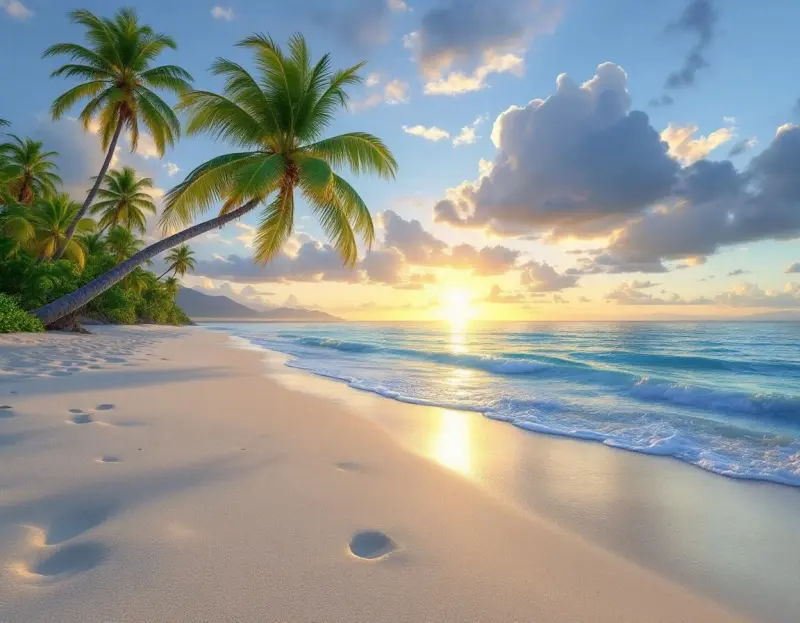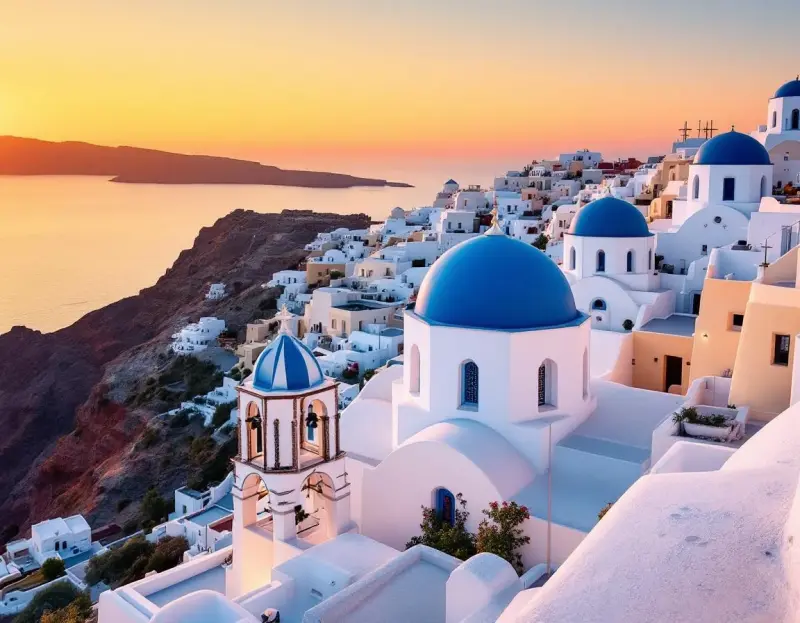
If you could change only one element of your AI travel prompts to dramatically improve your results, it should be lighting. Lighting dictates the mood, the color palette, the sense of depth, and the emotional impact of every image. Two prompts that are identical except for their lighting description will produce images that feel like they belong to entirely different stories. Understanding how lighting works in AI generation — and how to describe it effectively — is the single most valuable skill a travel content creator can develop.
Why Lighting Matters So Much
In traditional photography, professionals spend entire careers studying light. The direction, color temperature, intensity, and quality of light determine whether a scene feels warm or cold, dramatic or peaceful, intimate or expansive. The same skills apply to AI generation — the difference is that instead of waiting for the right light or positioning reflectors, you describe the light you want in words.
The AI has been trained on millions of photographs, and it has internalized the visual relationships between lighting descriptions and their photographic results. When you write "golden hour," the AI doesn't just tint the image orange — it adjusts shadow direction, reduces contrast, warms color temperatures, and adds the characteristic atmospheric haze of low-angle sunlight. It's responding to the full visual signature of that lighting condition, not just its color.
The Major Lighting Conditions
Golden Hour
Golden hour — the period just after sunrise or before sunset — is the most universally effective lighting condition for travel content. The light is warm, directional, and flattering to almost every subject. It wraps around buildings and landscapes in a way that reveals texture and creates depth, while the warm color temperature triggers positive emotional associations.
In your prompts, "golden hour" is powerful but not the only way to invoke this light. You can be more specific: "late afternoon sun casting long shadows," "warm golden light from the west," or "sunset light painting the buildings in amber tones." Greater specificity gives you more control over the exact quality of light in the result.
Golden hour works particularly well for architectural subjects (the warm light brings out stone textures beautifully), coastlines (the interaction of warm light and cool water creates stunning color contrasts), and portrait-style compositions (the soft, warm light is inherently flattering).
Blue Hour
Blue hour — the brief window just before sunrise or after sunset — produces a cooler, more atmospheric mood. The sky turns deep blue while artificial lights in buildings and streets glow warm, creating a color contrast that feels sophisticated and slightly melancholic. It's the lighting condition of choice for urban photography and any scene where you want a moodier, more contemplative feel.
The key to great blue-hour prompts is emphasizing the contrast between cool ambient light and warm artificial light. Try "blue hour with warm window light," "twilight cityscape with glowing streetlamps against deep blue sky," or "just after sunset, city lights beginning to glow against the darkening sky." This warm-cool contrast is what makes blue-hour imagery so visually compelling.
Overcast and Diffused Light
Overcast light gets a bad reputation, but it's incredibly useful for certain types of travel content. The soft, even illumination eliminates harsh shadows and reveals colors in their truest, most saturated form. Forest scenes, garden details, and intimate street scenes often look better under overcast skies than in direct sunlight.
Describing overcast light in prompts requires some care, because "cloudy" or "overcast" alone can produce flat, uninteresting results. Instead, describe the quality of light you want: "soft diffused light revealing rich colors," "gentle overcast illumination with deep saturated greens," or "moody atmospheric light with even, shadowless illumination." These descriptions tell the AI to keep the image visually interesting despite the absence of directional sunlight.
Dramatic and Directional Light
Sometimes you want maximum impact — shafts of light breaking through clouds, strong shadows creating graphic patterns, or spotlight-like illumination on a single subject against a darker background. This type of dramatic lighting creates the most visually striking images but requires more careful prompting because the margin between "dramatic" and "overdone" is narrow.
Effective prompts for dramatic lighting include "rays of light breaking through storm clouds, illuminating the ancient temple," "strong side lighting creating deep shadows on the cobblestone street," or "spotlight of sunlight on the cathedral while surrounding buildings remain in shadow." The key is specifying where the light falls and where it doesn't — dramatic lighting is as much about the shadows as it is about the highlights.
Night and Artificial Light
Nighttime travel imagery has a completely different visual language. The light sources are artificial — neon signs, street lamps, car headlights, illuminated monuments — and each creates a distinct mood. Neon-soaked Tokyo streets feel energetic and modern; candlelit Venetian canals feel romantic and timeless; spotlit Parisian monuments feel grand and ceremonial.
For night prompts, always specify the light sources: "neon signs reflecting on wet pavement," "warm lamplight along the cobblestone canal path," or "monument illuminated against the dark sky." Without specific light source descriptions, night-time prompts tend to produce muddy, underexposed results.
Combining Light with Atmosphere
Light doesn't exist in a vacuum — it interacts with atmospheric conditions to create specific visual effects. Mist scatters light and creates soft, ethereal images with reduced contrast. Rain creates reflective surfaces that double the impact of every light source. Dust or haze creates visible light beams and reduces background detail, naturally drawing focus to the foreground.
Some of the most compelling travel images combine a lighting condition with an atmospheric condition: "golden hour through morning mist rising from the rice terraces," "neon-lit Tokyo streets in the rain, reflections everywhere," or "dramatic sunset through volcanic haze in Iceland." These combinations produce images with far more depth and atmosphere than either condition alone.
Practical Exercises
The best way to internalize lighting principles is to generate the same scene under different lighting conditions and compare the results. Take a single location prompt — "Venetian canal with gondolas and bridge" — and generate it at golden hour, blue hour, midday, overcast, night with street lamps, and dramatic stormy light. Compare the six results side by side, and you'll immediately see how lighting transforms the same subject into six entirely different emotional experiences.
This exercise also helps you discover your personal lighting preferences. Most creators gravitate toward one or two lighting conditions that match their brand's mood. Once you identify yours, it becomes part of your prompt template — a consistent element that ties all your content together into a recognizable visual identity.