Stop Guessing Which AI Model to Use — Let an Agent Decide
There are dozens of AI image and video models, and they are not interchangeable. One nails photoreal product still lifes; another is best for stylized portraits; a third is built for motion. Pick the wrong one and even a perfect prompt gives a mediocre result. For most people, "which model should I use?" is the single biggest source of friction in AI creation — and it's exactly the kind of decision the new generation of agentic AI, the kind you've seen in Claude and ChatGPT, is built to make for you. Iris applies that agentic decision-making to visual creation.
Why model choice is so hard by hand
To choose well, you'd need to know:
- Which models are photoreal versus illustrative versus cinematic.
- Which support image-to-image so they can respect a reference you upload.
- Which handle video, and at what durations and resolutions.
- Which are premium (and worth the extra credits) versus which are great for fast drafts.
- The aspect ratios and phrasing quirks each one prefers.
That's a lot of catalog knowledge to carry just to make a poster. It also changes constantly as new models ship. Keeping up is a part-time job.
How agent model routing works
When you describe what you want, Iris breaks it into deliverables and routes each one independently:
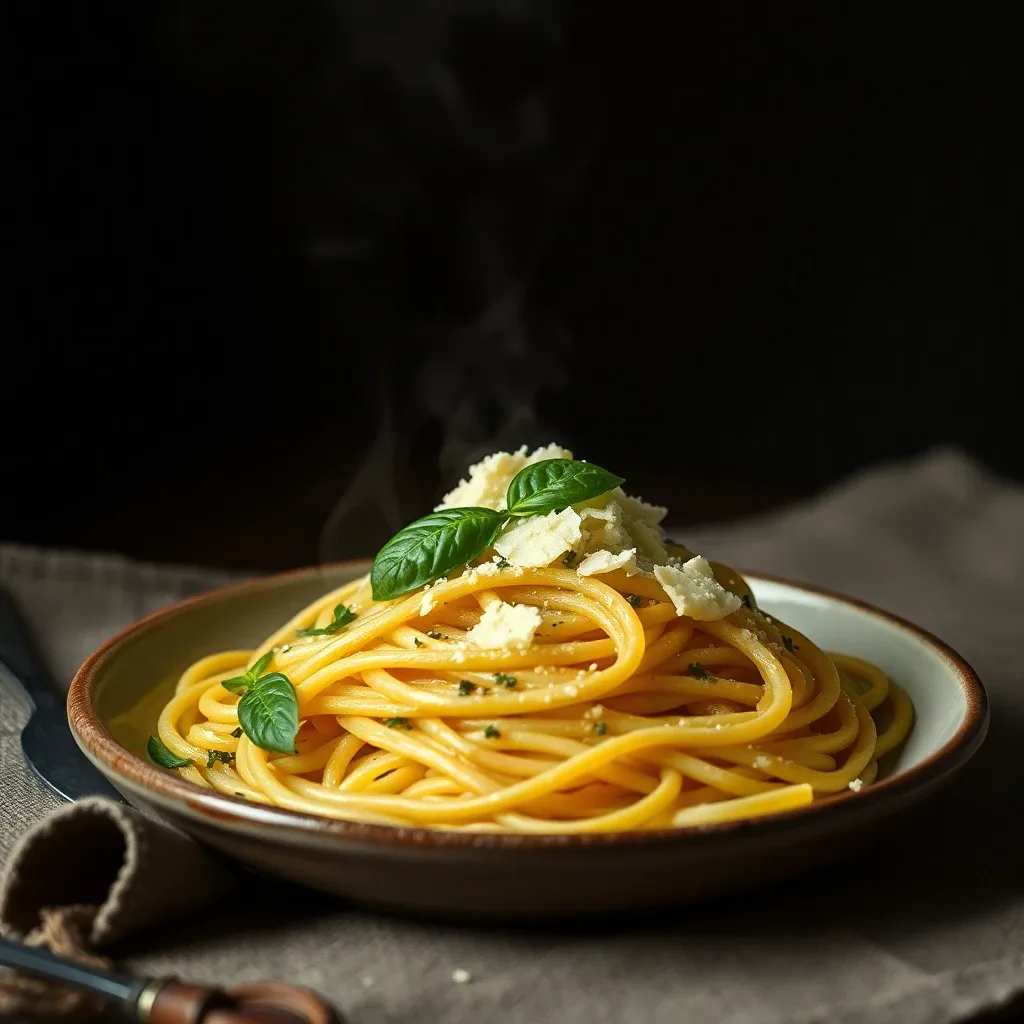
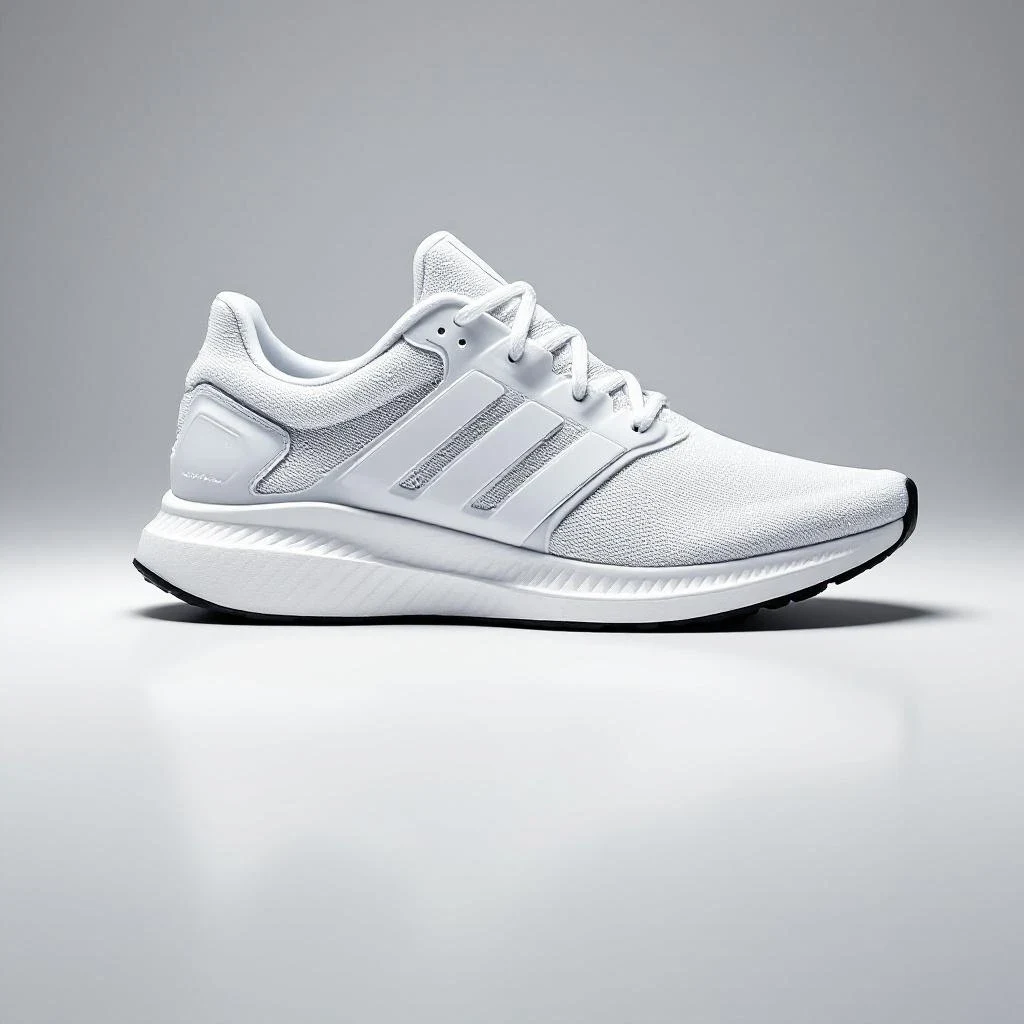
- A product still life goes to a model tuned for crisp, photoreal detail and accurate materials.
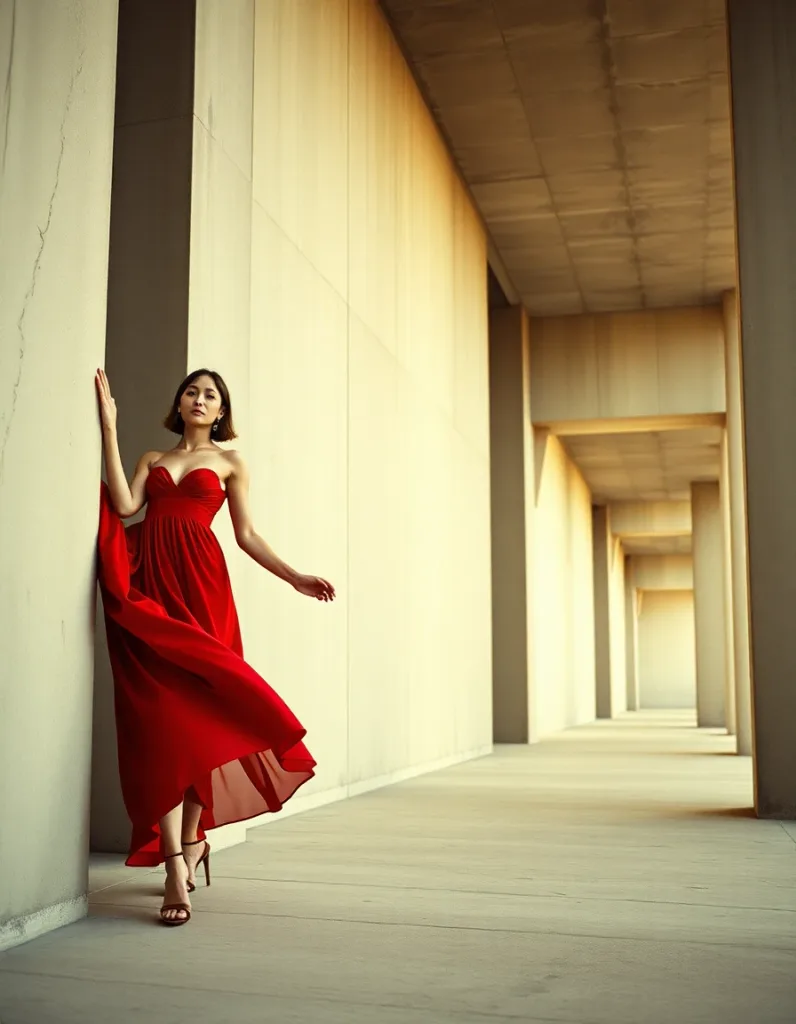
- A portrait goes to a model that handles skin, hair, and lighting convincingly.
- A short motion clip goes to a video model, at a duration and resolution that actually exists for that model — no asking for a tier it can't produce.
- A reference-based edit ("use this product photo") is routed only to image-to-image-capable models, so your reference is respected instead of ignored.
Crucially, the model choice is made server-side against a live capability registry — not guessed by the language model. That means the agent can't hallucinate a model that doesn't exist, quote a wrong price, or pick a premium model you can't access. Credits and capabilities are authoritative; the agent works within them.

Drafts cheap, finals sharp
Good routing isn't only about which model — it's about which tier. Iris defaults to economical settings so you can iterate cheaply, then steps up to higher resolution when you signal you want the final version. You explore at draft cost and only pay for quality when the composition is right. That single behavior saves more credits than any prompt trick.
What you get out of it
- No catalog to memorize. Describe the outcome; the agent maps it to the model.
- No wasted generations on a model that was never suited to the task.
- No pricing surprises. Costs are computed from the real registry and shown before you confirm.
- Reference images respected, because reference-based steps are forced onto capable models.
When you do want control
Routing is a default, not a cage. If you have a favorite model, you can steer the plan — the agent proposes, you adjust. The goal is to make the good default effortless while keeping the expert override available. Beginners get a great result without knowing the catalog; power users keep the wheel.
The takeaway
Model selection is the least creative and most error-prone decision in AI generation, and it's the perfect thing to delegate. Let the agent match each deliverable to the right model and tier, verify capability and cost server-side, and respect your references — so your energy goes into the work, not into becoming a walking model encyclopedia.
Describe what you're making in Iris and watch it assign the right model to each piece.