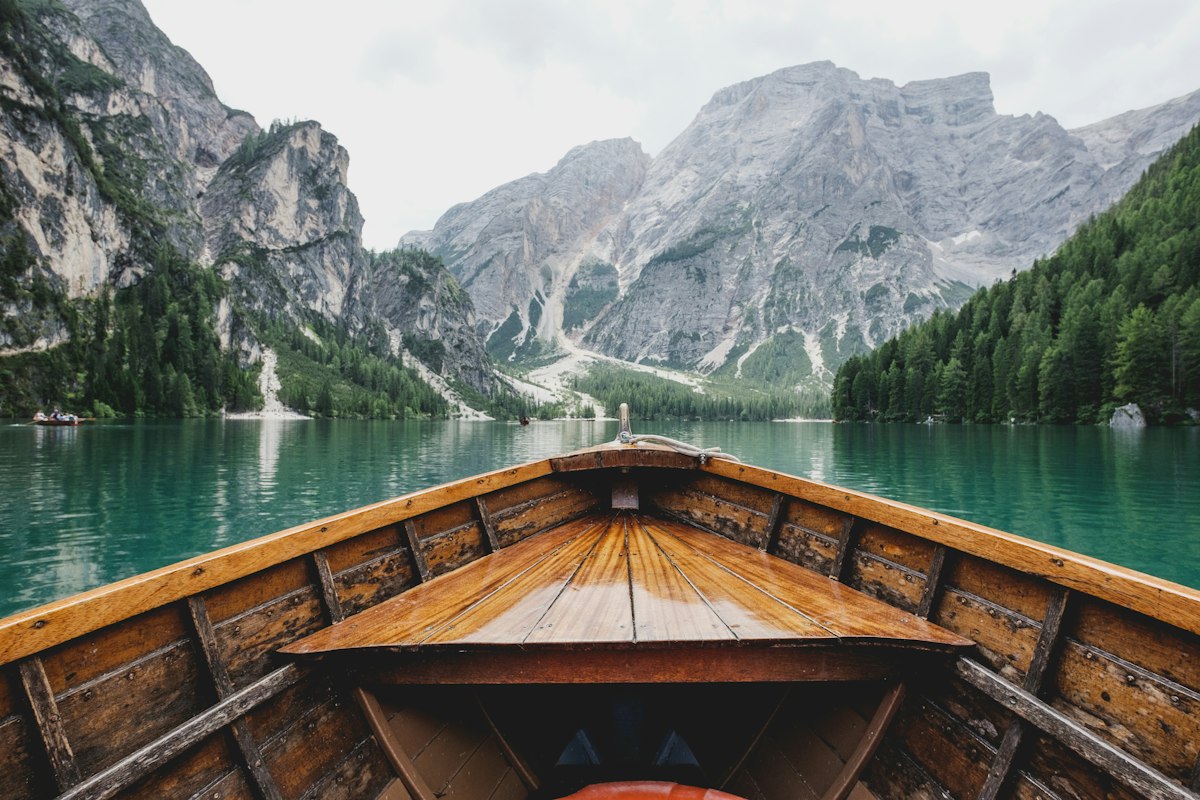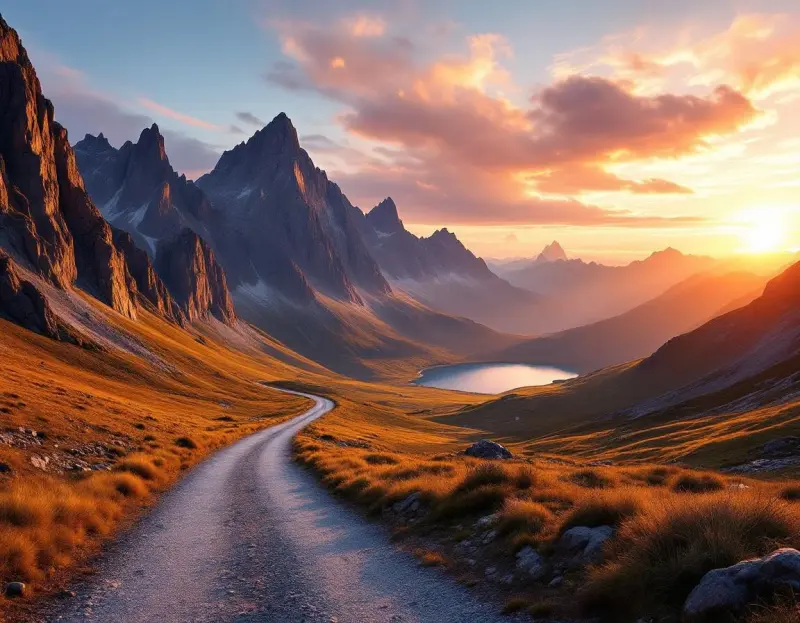
The conversation around AI-generated imagery too often falls into one of two camps: enthusiasts who claim it makes cameras obsolete, and purists who dismiss it as fake art that threatens real photography. The truth, as usual, is more nuanced and more useful than either extreme. AI generation and traditional photography are different tools that excel in different situations, and the creators getting the best results are those who understand when to use each one.
Where AI Generation Wins
Volume and speed. If you need 20 destination images for a social media campaign by Friday, AI generation is the clear winner. What would take weeks of travel, shooting, and editing can be accomplished in an afternoon. For content creators, bloggers, and marketers who need a constant stream of fresh visual content, this speed advantage is transformative.
Impossible or impractical shots. Want an aerial view of the Maldives at sunset? A perfect cherry blossom scene at Mount Fuji with zero tourists? The Northern Lights reflecting in a glass-calm fjord? Some shots are logistically impossible, prohibitively expensive, or require extraordinary luck with weather and timing. AI generation can create these dream scenarios on demand.
Creative exploration. AI lets you try ten different versions of a concept in minutes — different times of day, different angles, different weather conditions, different styles. This rapid iteration is invaluable for developing creative direction. You can explore a visual idea fully before committing to it, something that's impossible when each iteration requires a physical camera in a physical location.
Consistency. Every image generated with the same prompt style has a consistent aesthetic. There's no variation in camera equipment, editing software, or photographer skill. For brands that need a cohesive visual identity across dozens or hundreds of images, this consistency is a significant advantage.
Where Traditional Photography Wins
Authenticity and trust. When a hotel guest compares your marketing images to the actual property, authenticity matters. Real photographs of real places carry an implicit guarantee that what you see is what you get. AI-generated images, no matter how photorealistic, don't make that same promise — and audiences are increasingly savvy about the distinction.
Unique perspectives and moments. The best travel photography captures unrepeatable moments — the expression on a street vendor's face, the way light hits a specific building at a specific time, the chaos and beauty of an unexpected encounter. These moments have emotional weight precisely because they were real, and AI can't genuinely replicate that quality of authentic spontaneity.
Fine details and accuracy. AI occasionally struggles with specific architectural details, text, reflections, and the physics of light in complex scenes. If you need pixel-perfect accuracy of a specific building, landmark, or interior space, a camera is still the most reliable tool.
Legal and ethical clarity. Photographs have a clear chain of creation and ownership. The legal landscape around AI-generated images is still evolving, particularly regarding commercial use, model training data, and copyright. For use cases where legal clarity is paramount — such as advertising for specific properties or destinations — traditional photography offers more straightforward rights management.
The Practical Hybrid Approach
The most effective creators aren't choosing one over the other — they're combining both. Here's how the hybrid approach works in practice.
Use traditional photography for core brand assets — the images that represent your actual experience, your actual property, or your actual product. These images carry the weight of authenticity and should be the foundation of any content that makes a specific promise to the viewer.
Use AI generation for atmospheric and aspirational content — destination beauty shots, lifestyle scenes, seasonal marketing variations, social media content that needs to be fresh and frequent. These images set the emotional context without making specific claims about a physical reality.
Use AI generation for creative development — exploring visual directions, testing compositions, developing mood boards. Even if the final published content is traditionally photographed, AI generation can dramatically improve the planning and creative direction phase.
The distinction is essentially between content that says "this is exactly what it looks like" (traditional photography) and content that says "this is what it feels like" (AI generation). Both are valuable. Both are honest. They serve different communication purposes.
Quality Considerations
It's worth addressing quality directly, because the gap between AI-generated and professionally photographed images has narrowed considerably but hasn't disappeared. At web resolution — the size most images are displayed on social media and websites — well-prompted AI images are virtually indistinguishable from professional photography. At print resolution or under close scrutiny, the differences become more apparent.
For travel content creators, this distinction matters less than you might think. The vast majority of travel content is consumed on phone screens, where web resolution is all that's needed. A stunning AI-generated sunset over Santorini viewed at 4 inches wide on an iPhone screen is indistinguishable from a photograph — and it may even look better, because the AI isn't constrained by the lighting conditions that happened to exist on the day the photographer was there.
The Future Is Both
The most important insight about AI generation vs. traditional photography is that they're not competing — they're converging. Photographers are using AI tools to enhance their editing workflows. AI-generated imagery is being used as reference material for real photo shoots. Some creators use AI generation to prototype a visual concept, then travel to the actual location and recreate the AI image with a real camera, combining the creative efficiency of AI with the authenticity of traditional photography.
The question isn't which one wins. The question is which tool serves each specific creative need most effectively. Sometimes that's a camera; sometimes that's a prompt. The best creators use both without dogma.