Cinematic AI images — images that feel like stills from a well-made film — are among the most consistently impressive outputs of modern AI generation. They combine the technical quality of professional photography with the deliberate visual storytelling of cinema. Here's how to reliably achieve that aesthetic.
What Makes an Image "Cinematic"
Cinematic images share specific visual characteristics:
Anamorphic letterbox format: The 2.39:1 or 21:9 aspect ratio creates immediate "movie frame" recognition. The wide letterbox format is one of the strongest cinematic signals.
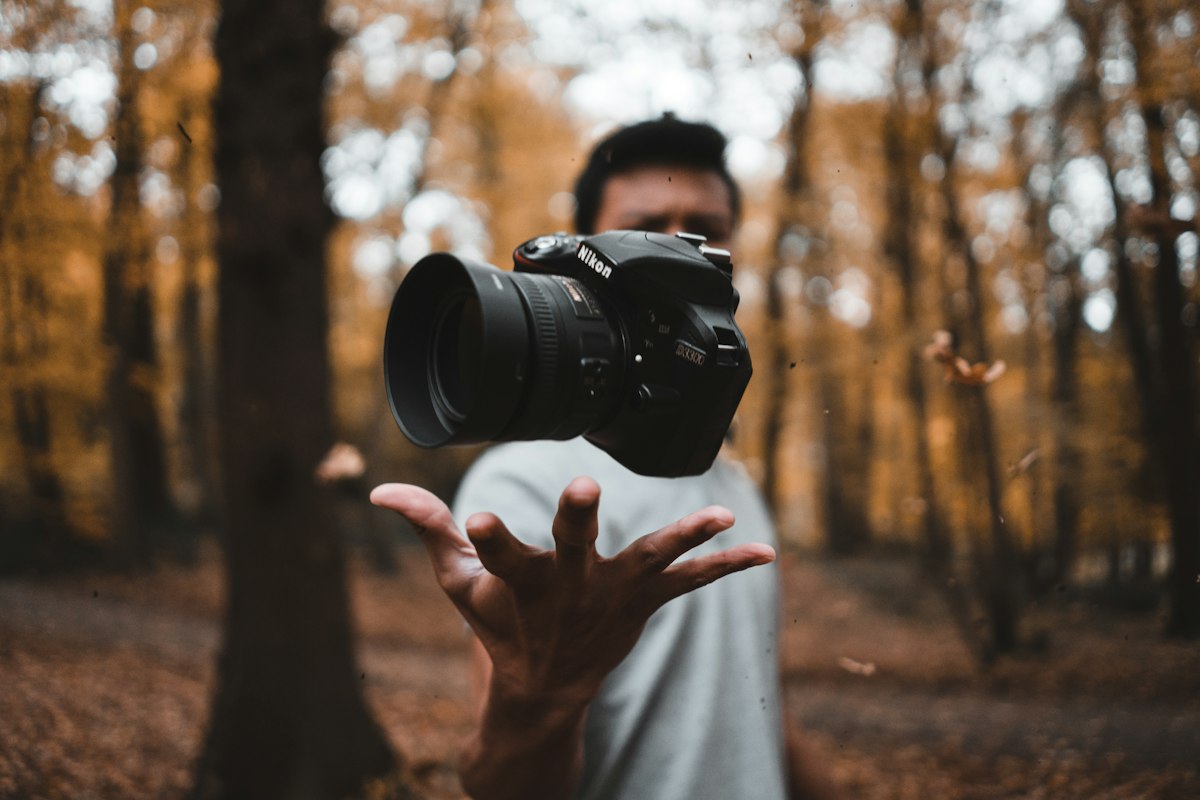
Deliberate depth of field: Cinematic images use shallow depth of field strategically — sharp subjects against soft, slightly blurred environments. The blur isn't random; it directs attention.
Color grading: Films use intentional color palettes. Warm orange-teal is the most recognizable cinematic grade. Others: desaturated cool tones (thriller/drama), high-contrast muted palettes (prestige drama), vibrant oversaturation (stylized films).
Atmospheric elements: Lens flares, volumetric light, haze, fog, smoke — these add depth and visual richness. The slight imperfection of atmospheric elements makes images feel photographed rather than rendered.
Dramatic lighting: Single strong light source creating defined shadows. Or golden hour, blue hour, night — times that naturally create dramatic contrast.
Compositional intent: Rule of thirds, leading lines, framing within the frame, subjects positioned with deliberate negative space.
The Core Cinematic Prompt Structure
Start with this template and customize:
"[Subject and action], [setting], cinematic still, [color grade], [time of day/atmosphere], [lens characteristics], [camera type/film stock], anamorphic, shallow depth of field, [mood/tone]"
Example: "A woman in a red coat standing on a rooftop overlooking a neon-lit city at night, cinematic still, teal and orange color grade, rain-slicked reflections, 50mm anamorphic lens, film noir atmosphere, shallow depth of field, professional cinema camera"
Color Grade Prompts
Orange-teal (most versatile): "warm orange and teal color grade, complementary color contrast"
Desaturated muted (drama/thriller): "desaturated palette, muted colors, slight cyan shadows, low saturation"
Warm golden (prestige drama): "warm golden color grade, film-like grain, vintage cinema aesthetic"
Cold blue (sci-fi/noir): "cold blue tonal palette, steel blue shadows, cool highlights"
High contrast black and white: "dramatic black and white, high contrast, deep shadows, bright highlights"
Atmospheric Elements That Add Cinematic Quality
Fog and haze: "volumetric fog, morning mist, atmospheric haze" — adds depth and mystery.
Practical lighting: "practical lights in scene, motivated lighting from visible light sources" — makes the lighting feel intentional and real.
Lens flare: "anamorphic lens flare, subtle horizontal streaks" — the characteristic look of cinema lenses.
Rain: "rain-soaked streets, wet reflections, rainfall in background" — dramatically improves almost any urban scene.
Smoke and particles: "smoke in the air, dust particles in light beams, haze" — adds texture to light.
Composition Principles
Rule of thirds: "subject positioned at third of frame, negative space on opposite side"
Leading lines: "leading lines drawing eye to subject, strong visual path"
Environmental framing: "subject framed by doorway/window/arch" — creates depth and context.
Low angle: "low angle shot looking up at subject" — creates power and scale.
Wide establishing: "wide establishing shot, subject small in vast environment" — communicates scale and isolation.
Reference Films as Prompts
Naming specific films or cinematographers as style references can help calibrate the aesthetic:
- "cinematography in the style of Blade Runner 2049" (stunning sci-fi visuals)
- "like a Roger Deakins-lit scene" (natural, sophisticated lighting)
- "in the style of Wong Kar-wai" (emotional, warm-saturated aesthetic)
These references work variably — the AI's knowledge of specific films differs — but they often produce useful aesthetic direction even when the match is imperfect.
Note: Film, cinematographer, and director references are creative inspiration shorthand only — outputs are not affiliated with or endorsed by them, and shouldn't be marketed as such.
Aspect Ratio
For truly cinematic output, use 21:9 (2.39:1) or 16:9 at minimum. The letterbox format is immediately cinematic. Square or portrait formats look like photography, not film.
Generate cinematic images — use these prompts with Flux Pro for film-quality results.